Quick Answer
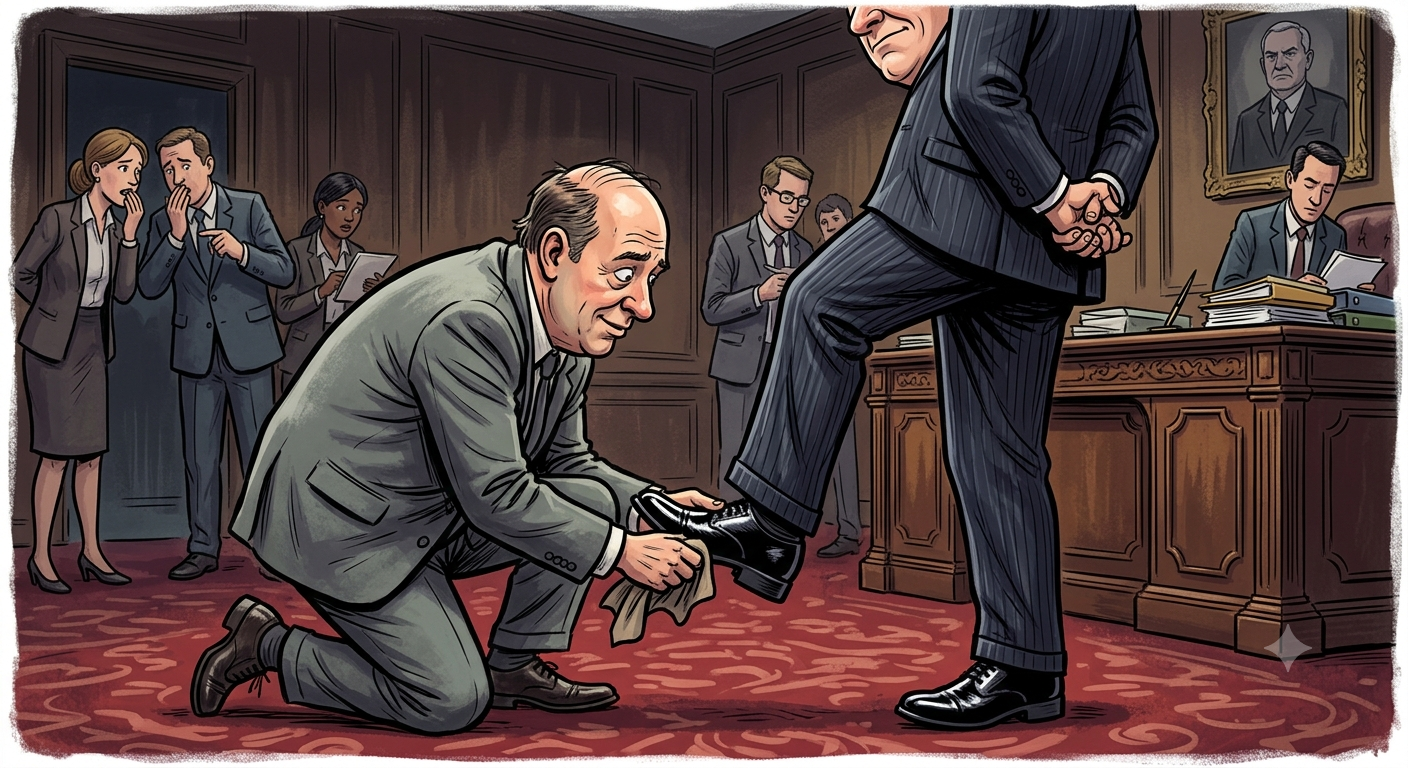
Bootlicking means showing excessive praise, support, or obedience to someone in power in order to gain favor or approval. People usually use the term as an insult to describe behavior that seems overly submissive, flattering, or dishonest. The word often appears in politics, workplaces, schools, social media discussions, and everyday conversations when someone appears to support authority figures too eagerly.
Introduction
The term bootlicking has become increasingly common in online discussions, political debates, workplace conversations, and social media comments. People often use it when they believe someone is acting overly loyal to a powerful person or organization instead of expressing their genuine opinions.
Many people search for the meaning of bootlicking because they see it used in arguments, memes, comments, or news discussions. Understanding the term helps you recognize when it is being used seriously, jokingly, or as criticism. In this guide, you will learn the direct meaning of bootlicking, where the term came from, how people use it today, examples of bootlicking behavior, related phrases, and situations where the word may or may not be appropriate.
What Does Bootlicking Mean?
Bootlicking means acting excessively obedient, flattering, or supportive toward someone with authority, influence, or power.
The idea behind the term is simple. A bootlicker is someone who appears willing to do almost anything to please a powerful person, even if it means sacrificing honesty, dignity, or independent thinking.
People usually use the word negatively because it suggests insincere behavior.
Why Is It Called Bootlicking?
The term comes from the image of literally licking someone’s boots.
Historically, boots often symbolized power, status, or authority. Licking another person’s boots would represent extreme submission and obedience.
Over time, the phrase became a figurative expression rather than a literal action. Today, it refers to behavior rather than physical acts.
Is Bootlicking an Insult?
Yes, bootlicking is generally considered an insult.
When someone calls another person a bootlicker, they usually mean that the person is:
- Too eager to please authority
- Unwilling to challenge power
- Excessively loyal
- Acting for personal gain
- Not expressing honest opinions
Because of these meanings, the term often carries a strong negative tone.
How People Use Bootlicking Today
Modern usage appears in many situations.
People may accuse someone of bootlicking when they:
- Constantly praise a boss
- Defend powerful people regardless of facts
- Support authority without questioning decisions
- Seek personal benefits through flattery
- Ignore wrongdoing to stay in favor
The term is common both online and offline.
Bootlicking in Politics
Political discussions frequently include accusations of bootlicking.
For example, supporters of one political figure may accuse opponents of blindly following another leader. In these situations, bootlicking often implies loyalty that goes beyond reasonable support.
People use the word to suggest that someone is defending authority instead of evaluating issues objectively.
Bootlicking in the Workplace
Workplaces provide many examples of what people call bootlicking.
An employee may be labeled a bootlicker if they:
- Constantly agree with management
- Praise supervisors excessively
- Avoid criticizing poor decisions
- Seek promotions through flattery
However, there is an important difference between professionalism and bootlicking. Respecting a manager is normal. Excessive and insincere praise is what usually earns the label.
Bootlicking on Social Media
Social media platforms have made the term even more popular.
Users often accuse others of bootlicking when they defend:
- Celebrities
- Politicians
- Companies
- Influencers
- Government agencies
The word appears frequently in comment sections, debates, and viral discussions.
Difference Between Respect and Bootlicking
Many people confuse respect with bootlicking.
Respect involves recognizing someone’s authority, experience, or achievements while maintaining your own opinions.
Bootlicking involves excessive praise and submission, often for personal advantage.
A respectful person can disagree when necessary. A bootlicker is often viewed as unwilling to do so.
Comparison Table: Bootlicking vs Related Terms
| Term | Meaning | Tone | Example |
|---|---|---|---|
| Bootlicking | Excessive praise toward authority | Negative | Defending every decision a boss makes |
| Respect | Showing proper regard for someone | Neutral or positive | Listening to a manager’s guidance |
| Loyalty | Supporting a person or group | Usually positive | Standing by a friend during difficulties |
| Flattery | Giving compliments, often excessively | Often negative | Praising someone to gain benefits |
| Brown-nosing | Seeking favor through praise | Negative | Complimenting a supervisor constantly |
| Sycophancy | Obsessive praise of powerful people | Strongly negative | Agreeing with everything a leader says |
What Is a Bootlicker?
A bootlicker is a person who engages in bootlicking behavior.
The word describes someone who appears overly eager to impress authority figures.
People often use the term when they believe someone values approval more than honesty or independence.
Common Signs of Bootlicking
Some behaviors commonly associated with bootlicking include:
- Constant agreement with authority figures
- Excessive compliments
- Defending questionable decisions
- Seeking attention from powerful people
- Avoiding criticism of leadership
- Changing opinions to match authority
One sign alone does not necessarily indicate bootlicking, but repeated patterns often lead to that perception.
Is Bootlicking Always Intentional?
Not always.
Sometimes people genuinely admire a leader, employer, teacher, or public figure. Others may simply prefer avoiding conflict.
Because of this, accusations of bootlicking can sometimes be unfair. What one person sees as respect, another may see as excessive loyalty.
Context matters.
Bootlicking in Internet Culture
Internet culture has turned bootlicking into a common meme and criticism.
People often use the term humorously in comments such as:
- “Stop bootlicking billionaires.”
- “You’re bootlicking the company.”
- “That sounds like pure bootlicking.”
While some uses are serious, others are playful exaggerations.
Similar Words to Bootlicking
Several words have meanings close to bootlicking.
These include:
- Sycophancy
- Brown-nosing
- Groveling
- Fawning
- Flattery
- Servility
- Obsequiousness
Although the meanings overlap, bootlicking is usually the most informal and modern option.
Examples of Bootlicking in Sentences
Here are some common examples:
- Many people accused him of bootlicking the CEO.
- The online debate quickly turned into accusations of bootlicking politicians.
- She felt the employee’s constant praise looked like bootlicking.
- Critics described the comments as pure bootlicking rather than honest support.
- Nobody wanted to appear like a bootlicker during the meeting.
These examples show how the word often appears in criticism.
When Should You Use the Word Bootlicking?
The term works best when discussing behavior that appears excessively submissive toward authority.
You might use it when describing:
- Workplace dynamics
- Political discussions
- Public figures
- Online debates
- Organizational culture
Because the word is critical, it should be used carefully.
When Should You Avoid Using It?
Avoid using the term when someone is simply being respectful or professional.
Not every agreement with a leader or authority figure qualifies as bootlicking.
Using the word too quickly can make conversations more hostile and less productive.
Consider whether the behavior truly involves excessive flattery before using the label.
Is Bootlicking Formal or Informal?
Bootlicking is primarily an informal term.
You will commonly find it in:
- Social media posts
- Online forums
- Casual conversations
- Opinion articles
- Political commentary
In formal academic or professional writing, words like “sycophancy” or “excessive deference” may be preferred.
Why Do People Engage in Bootlicking?
People may engage in bootlicking for several reasons:
- Desire for promotions
- Fear of consequences
- Need for approval
- Personal ambition
- Social status
- Access to opportunities
In some cases, people may not even realize others view their behavior as bootlicking.
Can Bootlicking Have Negative Consequences?
Yes.
Excessive bootlicking can lead to:
- Loss of credibility
- Reduced trust from peers
- Damaged reputation
- Poor decision making
- Unhealthy workplace culture
Organizations often function better when people feel comfortable sharing honest opinions rather than simply agreeing with authority.
How the Meaning Has Evolved
The core meaning of bootlicking has remained largely unchanged.
What has changed is its popularity. Social media, political discussions, and internet culture have made the term more visible than ever.
Today, people use it across a wide range of topics, from workplace relationships to celebrity fandoms and government policies.
Common Misunderstandings About Bootlicking
Several misconceptions exist.
Some people assume:
- Respect equals bootlicking
- Loyalty equals bootlicking
- Agreement equals bootlicking
These assumptions are not always correct.
Bootlicking generally involves excessive, insincere, or self-serving praise rather than normal respect or support.
Conclusion
Bootlicking means showing excessive praise, obedience, or support toward a person or organization in power, often to gain approval or personal advantage. The term is usually negative and suggests behavior that appears overly submissive or insincere. Today, people use bootlicking in political discussions, workplaces, social media debates, and everyday conversations. Understanding the difference between genuine respect and bootlicking is important because not all support for authority is excessive. By recognizing the context, tone, and intent behind the word, you can better understand how it is used and when it accurately describes a situation.

American writer and humorist, born in 1835, best known for The Adventures of Tom Sawyer and Adventures of Huckleberry Finn, which shaped American literature.