Quick Answer
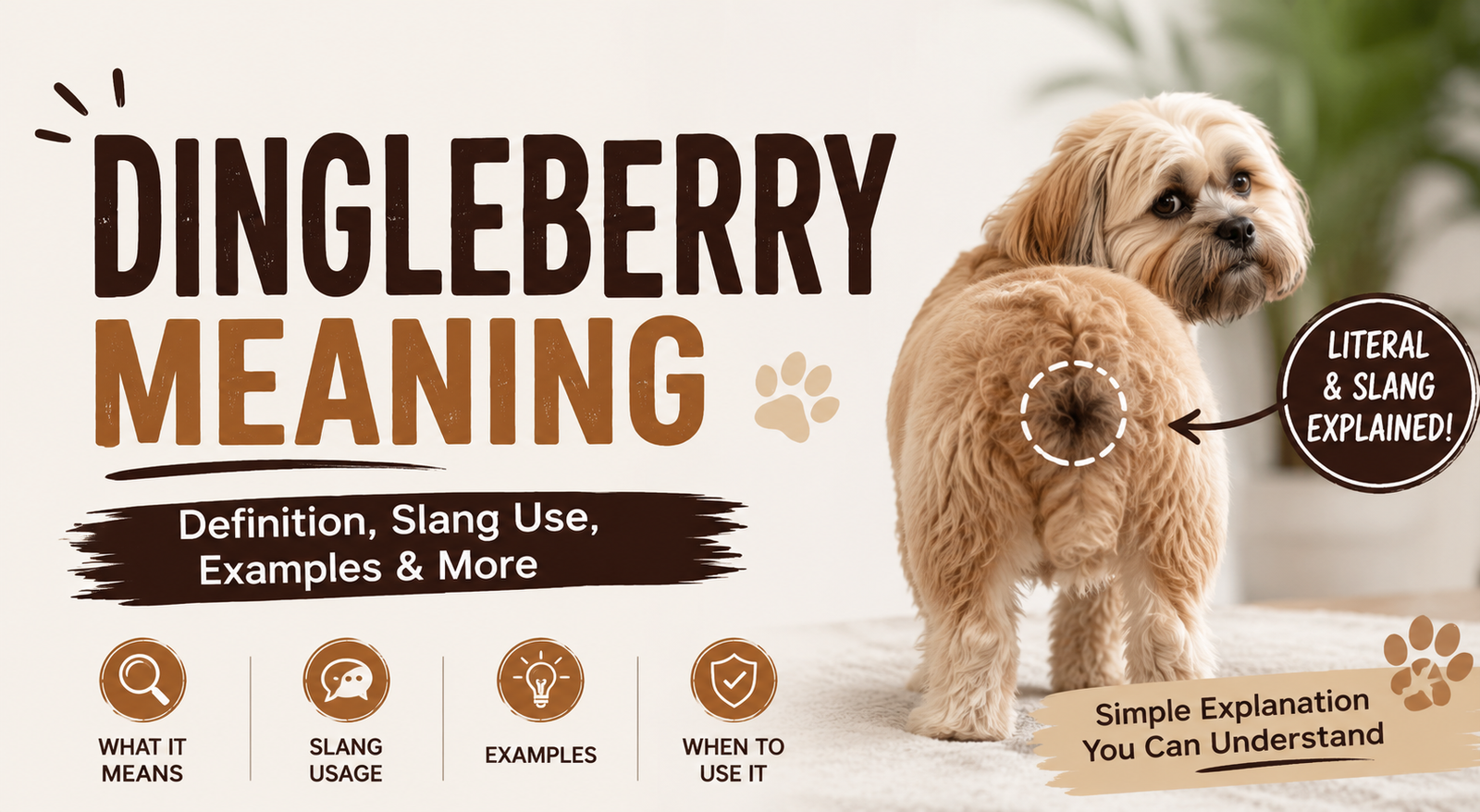
Dingleberry most commonly means a small piece of dried feces stuck to hair near the anus, but it can also be used as a mild insult for a foolish or annoying person. The literal meaning relates to hygiene, while the slang meaning is playful and often used to tease someone in a light, non-serious way.
Introduction
The word dingleberry often catches attention because it sounds funny but carries a very specific meaning. Many people search for it after hearing it in jokes, conversations, or online content and want a clear explanation without confusion.
This guide breaks down the exact meaning of dingleberry in simple terms. You will learn both the literal and slang meanings, how people use it, and when it is appropriate. By the end, you will understand the term fully and know how to handle it in real conversations.
What Does Dingleberry Mean
Dingleberry refers to a small piece of dried fecal matter stuck to hair, usually in animals or humans.
In slang, it also describes someone who acts silly, annoying, or not very smart.
Is Dingleberry Slang or Literal
Dingleberry works as both a literal term and slang.
The literal meaning relates to hygiene, while the slang meaning is used humorously.
The Literal Meaning Explained
literal meaning focuses on hygiene issues.
It usually appears when grooming pets or discussing cleanliness in a straightforward way.
The Slang Meaning Explained
As slang, dingleberry becomes a mild insult.
It is not very harsh and often feels playful rather than aggressive.
Why People Use the Word Dingleberry
People use dingleberry because it sounds humorous.
It softens the tone of an insult and makes it less serious.
Common Situations Where It Is Used
The word appears in casual talk, jokes, and playful teasing.
It is rarely used in formal or serious conversations.
Examples of Dingleberry in Sentences
Here are simple examples:
“Check the dog for dingleberries after the walk.”
“Stop being such a dingleberry and focus.”
These show both meanings clearly.
Dingleberry in Pet Care Context
Pet owners often use the term when grooming animals.
Long-haired pets can develop this issue if not cleaned properly.
Dingleberry in Human Hygiene Context
In humans, the term points to poor hygiene.
It highlights the importance of proper cleaning habits.
Tone and Feeling of the Word
The tone stays informal and slightly crude.
It may sound funny to some but uncomfortable to others.
When to Use Dingleberry
Use it only in relaxed and informal .
It works best among friends or in light humor.
When Not to Use Dingleberry
Avoid using it in professional or respectful situations.
It may sound rude or inappropriate.
Dingleberry vs Similar Insults
| Term | Meaning | Tone | Usage |
|---|---|---|---|
| Dingleberry | Silly or annoying person | Playful | Casual jokes |
| Idiot | Unintelligent person | Harsh | General use |
| Goofball | Silly person | Friendly | Light teasing |
| Fool | Lacks judgment | Neutral | Common speech |
| Dummy | Not smart | Mild | Informal |
Difference Between Literal and Slang Use
The literal use relates to hygiene and cleanliness.
The slang use focuses on behavior and personality.
Context helps you understand which meaning applies.
Is Dingleberry Offensive
It can feel mildly offensive depending on tone.
In friendly , it often feels harmless.
Origin of the Word Dingleberry
The exact origin remains unclear.
It likely developed as a humorous descriptive term based on appearance.
Is Dingleberry Common Today
The word still appears in casual speech and online content.
It is not very formal but remains widely understood.
Related Words and Expressions
Similar playful insults include “goof,” “nerd,” and “weirdo.”
These share a light and non-serious tone.
Can Dingleberry Be Overused
Yes, overuse can make it sound childish.
Use it sparingly to keep its humor.
Practical Tips for Using Dingleberry
Think about your audience before using the word.
Keep the tone light to avoid offending others.
Use it only when humor fits the situation.
Cultural Perception of the Word
Some people find it funny.
Others may see it as crude or immature.
Awareness of context helps avoid awkward moments.
Conclusion
Dingleberry most commonly refers to a small piece of dried feces stuck to hair, especially in hygiene or pet care situations. It also works as a mild and playful insult for someone acting silly or annoying. The word carries a humorous tone but should be used carefully. It fits best in informal and friendly conversations. Understanding both meanings helps you avoid confusion and use the term appropriately without causing discomfort.
