Quick Answer
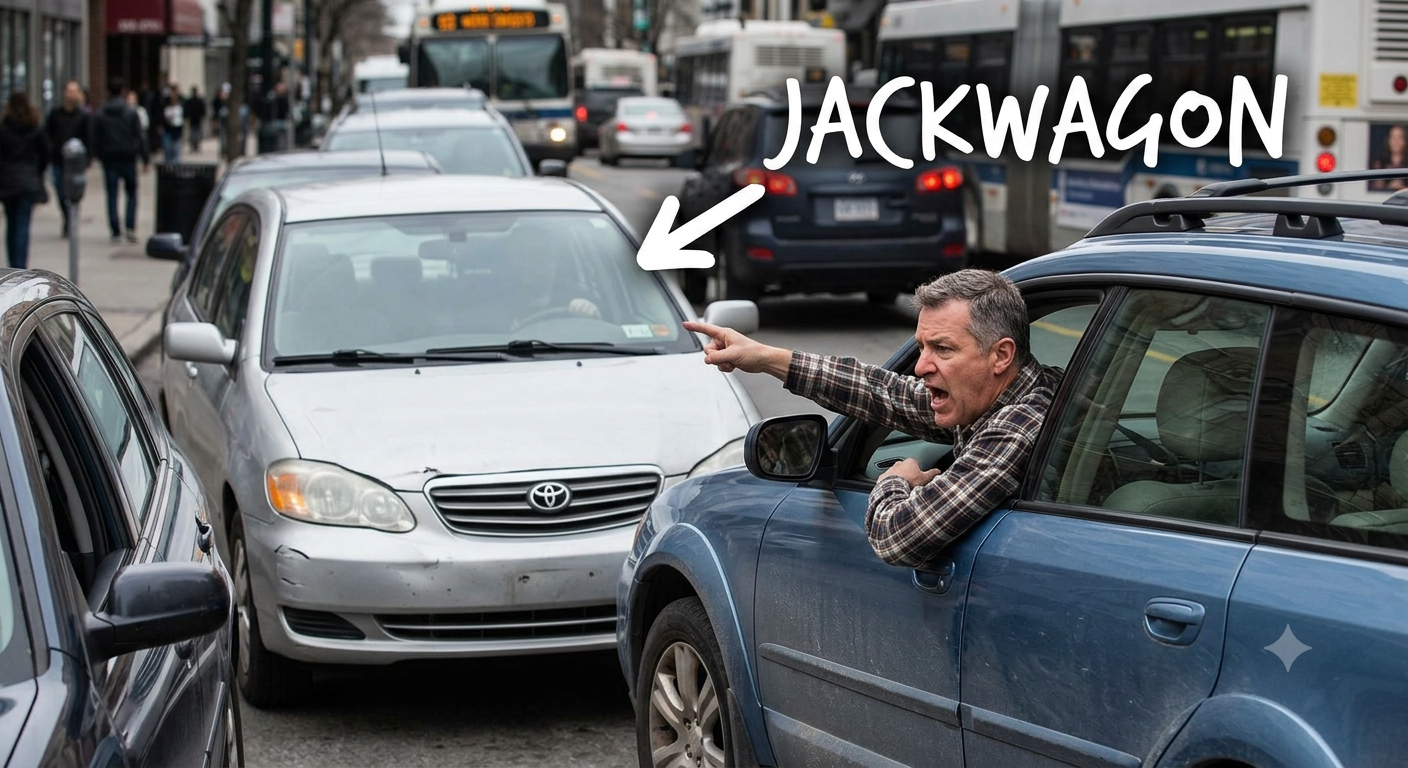
People often use it as a playful or less harsh insult when someone acts in an irritating, careless, or ridiculous way. The word usually carries a joking tone rather than serious anger. Someone might call another person a jackwagon when they make a silly decision, behave badly, or create unnecessary problems.
Introduction
Many people search for the word jackwagon because they hear it in conversations, movies, social media posts, or jokes and want to know what it actually means. Since it sounds unusual, people often wonder whether it has a serious meaning, a hidden definition, or some special history.
The good news is that the meaning stays fairly simple. Jackwagon works as a slang insult, but people often use it in a lighter way than stronger offensive words. In this guide, you will learn the exact meaning of jackwagon, where the term came from, how people use it, examples in real situations, and when you should or should not use it.
What Does Jackwagon Mean?
Jackwagon means a person who behaves in a foolish, annoying, careless, or ridiculous way.
The term targets behavior rather than intelligence in many situations. A person does not need to be unintelligent to earn the label. Someone can act like a jackwagon simply by making poor choices or acting inconsiderately.
For example:
“Tom parked across two spaces again. That guy acts like a jackwagon.”
The speaker criticizes Tom’s behavior rather than attacking his entire personality.
Is Jackwagon a Slang Word?
Yes. Jackwagon belongs to slang language.
People use it mostly in casual conversations rather than formal communication. You may hear it among friends, in comedy, online discussions, or everyday speech.
Many people choose jackwagon because it sounds softer and more humorous than stronger insults.
Why Do People Use Jackwagon?
People use jackwagon because it adds humor while still expressing frustration.
Instead of using harsh language, someone may prefer a word that sounds funny and less aggressive.
Examples include:
“Who left the refrigerator open? Which jackwagon did that?”
“Some jackwagon cut in front of me in traffic.”
The word lets people complain without sounding extremely hostile.
Is Jackwagon Always Insulting?
Not always.
The tone changes the meaning.
Friends sometimes use it playfully:
“You forgot your keys again, you jackwagon.”
In this situation, the speaker probably laughs while saying it.
However, the word can feel insulting if someone uses an angry tone:
“You ruined everything, jackwagon.”
Context matters a lot.
Where Did Jackwagon Come From?
The exact origin remains somewhat unclear, but many language experts connect jackwagon to older humorous expressions and regional slang.
Some people believe the term developed from playful combinations of existing words. Over time, speakers started using it as a humorous substitute for stronger insults.
Language often grows this way. People combine words and create expressions that simply sound amusing.
How People Use Jackwagon in Daily Life
People use jackwagon in many situations.
Common examples include:
- Traffic complaints
- Workplace jokes
- Friendly teasing
- Sports discussions
- Social media comments
- Family conversations
Examples:
“My brother locked himself outside again. What a jackwagon.”
“That jackwagon forgot to send the meeting details.”
Common Situations Where You May Hear Jackwagon
You will often hear jackwagon after someone does something irritating.
Examples include:
The term usually appears when frustration mixes with humor.
Jackwagon in Texting and Online Use
People also use jackwagon online.
You might see comments like:
“Some jackwagon spoiled the movie ending.”
“Which jackwagon deleted the file?”
Online users often choose the word because it feels funny and less intense than stronger insults.
Comparison Table
| Term | Meaning | Tone | Example |
|---|---|---|---|
| Jackwagon | Foolish or annoying person | Humorous | “That jackwagon forgot my order.” |
| Idiot | Unintelligent person | Stronger | “He acted like an idiot.” |
| Jerk | Rude person | Serious | “That jerk interrupted me.” |
| Goofball | Silly person | Friendly | “You little goofball.” |
| Dummy | Someone acting foolishly | Mild | “Don’t be a dummy.” |
Can Jackwagon Describe Good Friends?
Yes.
Friends often use playful insults during jokes and casual conversations.
Examples:
“You ate my fries again, jackwagon.”
“You picked the wrong turn, jackwagon.”
The relationship matters. Good friends understand the humor behind the word.
Can Jackwagon Sound Offensive?
Yes, under certain conditions.
Even mild slang can upset people.
Factors that affect the tone include:
- Voice tone
- Situation
- Relationship
- Intent
- Audience
Calling a stranger a jackwagon may create conflict.
When Should You Use Jackwagon?
Use jackwagon when:
- You joke with friends
- You want a lighter insult
- You want humor
- You speak casually
- You discuss harmless mistakes
The word works best in relaxed .
When Should You Avoid Jackwagon?
Avoid using jackwagon:
- In professional emails
- During formal meetings
- Around people who dislike slang
- During serious disagreements
- In academic writing
Professional situations usually require clearer and more respectful language.
Jackwagon Compared With Stronger Insults
Jackwagon sits lower on the insult scale than many offensive words.
People often choose it because it sounds funny rather than aggressive.
For example:
Stronger insult:
“That guy is terrible.”
Lighter version:
“That jackwagon forgot everything.”
The second version often reduces tension.
Similar Words to Jackwagon
Several words share a similar meaning:
- Goofball
- Bonehead
- Knucklehead
- Dummy
- Nitwit
- Dingbat
- Fool
Each word carries slightly different emotional to
Not necessarily.
Many people use the word to describe actions rather than intelligence.
A very smart person can still act like a jackwagon.
For example:
“A brilliant engineer forgot his own password.”
Someone might jokingly say:
“Nice job, jackwagon.”
The joke targets the mistake.
Why Does Jackwagon Sound Funny?
Words often sound funny because of rhythm and sound.
Jackwagon combines two familiar sounding parts into one unusual expression.
People often enjoy humorous sounding insults because they reduce tension and make criticism feel softer.
That playful sound helps explain the word’s popularity.
Is Jackwagon Popular Today?
Jackwagon still appears in conversations and online posts, though it does not rank among the most common slang words.
Some people prefer it because it feels cleaner and more creative than stronger insults.
Humorous language often survives because people enjoy expressing frustration without becoming too harsh.
Mistakes People Make About Jackwagon
Some people misunderstand the word.
Common mistakes include:
The actual meaning stays much simpler. It mainly describes foolish or annoying behavior.
Can Children Hear the Word Jackwagon?
Many people consider jackwagon milder than offensive swear words.
Still, parents and schools may prefer respectful language depending on the setting.
Even softer insults can create negative feelings if someone uses them repeatedly.
Why People Continue Using Jackwagon
People enjoy language that feels expressive and entertaining.
Jackwagon gives speakers a way to show annoyance while keeping a lighter mood. The word also feels memorable because of its unusual sound.
Humorous insults often stay popular because they help people express emotions without sounding overly aggressive.
Conclusion
Jackwagon means a foolish, annoying, or ridiculous person and usually acts as a lighthearted slang insult. People often use it when someone behaves carelessly or makes an obvious mistake. The word generally sounds more playful than harsh, which explains why many people choose it over stronger insults. Context still matters because tone can turn a joke into an insult. Understanding how and when to use jackwagon helps you recognize it in conversations, online comments, and everyday situations without confusion.
